
Blog
Animal testing is being locked into the future, not phased out

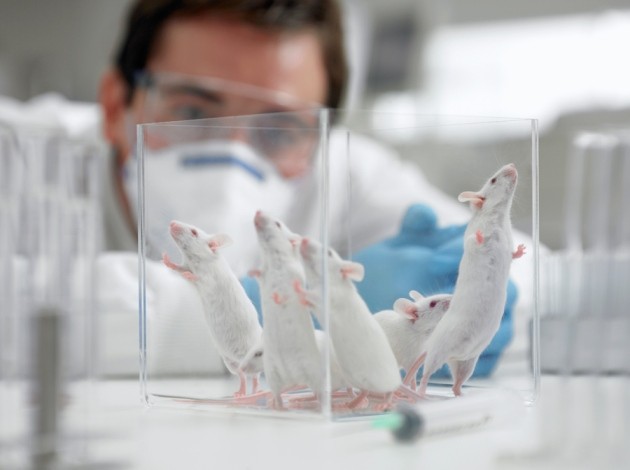
As the House of Lords prepares to debate amendments to the Public Order Act 2023 on Wednesday 4 February, Medicine Without Cruelty warns that the proposed designation of animal testing and breeding facilities as Key National Infrastructure fundamentally contradicts claims that animal testing is being phased out.
The statutory instrument would place animal laboratories and breeding facilities alongside energy grids, water supplies and transport networks, systems designed to be preserved indefinitely. Infrastructure law exists to protect continuity, not to support the retirement of outdated practices.
If animal testing were genuinely approaching elimination, it would not be embedded into national infrastructure law. You do not classify something as critical national infrastructure if you plan to end it.
Animal experimentation cannot exist without mass breeding. Every laboratory experiment depends on a continuous supply of animals produced specifically for scientific use. By extending infrastructure protections to breeding facilities, the Government is not merely protecting buildings; it is safeguarding the entire upstream pipeline that sustains animal testing.
The Scientific Case for Animal Testing
The Government has repeatedly justified the amendments on the grounds of pandemic preparedness, vaccine resilience and protection of research supply chains. However, history shows that animal testing has repeatedly failed to predict human outcomes. One of the most widely cited examples is the drug TGN1412, which was deemed safe in animal testing yet caused catastrophic immune reactions in healthy human volunteers during its first clinical trial. Many more examples of medication being tested “successfully” in animals having devastating consequences in human patients. More broadly, over 95% drugs that pass animal testing fail when they reach humans.
Even within the same species, drug responses vary dramatically due to genetic differences affecting how drugs are processed and how they act in the body. In dogs alone, well-documented genetic variation means doses tolerated by one breed can be lethal to another. If safety cannot be reliably predicted within a single species, extrapolation to humans becomes scientifically dangerous.
The Problem with “Exceptional Circumstances”
At the same time, the Government’s commitment to eliminate animal testing “in all but exceptional circumstances” creates further problem. In legal and regulatory practice, undefined exceptions function as open-ended exemptions rather than limits. Without binding criteria, timelines or oversight, “exceptional” risks becoming routine.
Animal Testing Being Written into the Future
When this language is combined with infrastructure protection, and with Home Office summaries showing animal project licences continue to be granted even where effective non-animal methods are available, animal testing acquires structural permanence.
Protecting animal testing as national infrastructure removes urgency to replace it, undermines investment in non-animal science, and shields a system of institutionalised suffering from challenge. A system that is truly temporary does not receive permanent legal protection.
House of Lords Debate
Members of the House of Lords will debate the statutory instrument on Wednesday 4 February, with a fatal motion tabled by Baroness Bennett of Manor Castle. Medicine Without Cruelty urges Peers to reject the designation and to scrutinise the contradiction between claims of replacement and laws that entrench animal testing into the future.
Savita Nutan
Founder of Medicine Without Cruelty